
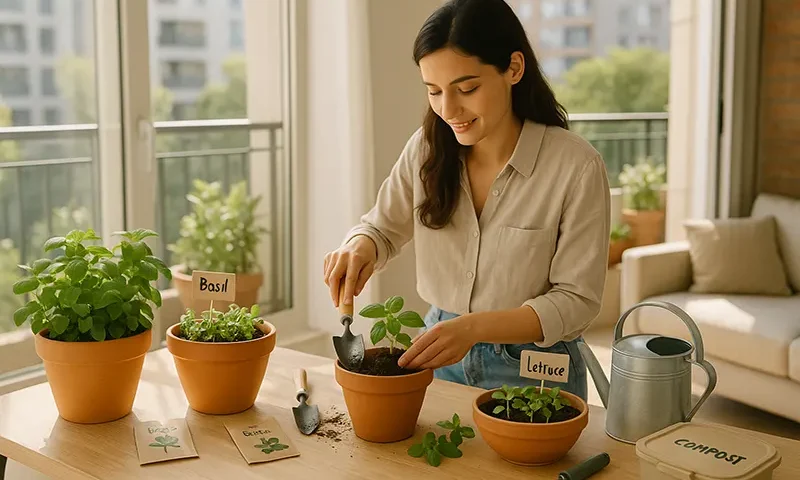
The dream of fresh, homegrown produce isn’t exclusive to those with sprawling backyards. Even from the cozy confines of an apartment, you can cultivate a thriving oasis of herbs, vegetables, and greens. And better yet, you can do it organically, ensuring your food is not only fresh but also free from synthetic chemicals. Organic gardening is more than just avoiding pesticides; it’s about nurturing the soil, encouraging biodiversity, and working with nature, not against it. For the beginner apartment dweller, this guide breaks down the process into an easy-to-follow, three-step success plan: understanding your space, choosing the right foundation, and caring for your organic bounty.
I. Mastering Your Micro-Climate (Light & Space)
The first and most crucial step for any apartment gardener is to become a detective of light. Your windows and any available outdoor space (balcony, patio) are your garden’s lifeline.
Tip 1: The Sun Audit. Observe your apartment throughout the day. Which windows get the most direct sunlight? South-facing windows are typically the champions, offering several hours of intense light, ideal for most fruiting vegetables and herbs. East-facing windows provide gentle morning sun, good for greens, while west-facing windows offer strong afternoon light. North-facing windows generally receive indirect light, suitable for shade-loving plants, but often not enough for edibles. Once you’ve identified your sunniest spots, you’ll know where your plants will thrive.
Space is often the biggest hurdle in apartment gardening, but it’s also where creativity shines. Think vertically! Shelving units, tiered planters, and hanging baskets can transform an empty wall or ceiling space into a productive garden. Even a sturdy windowsill can host a row of herbs. For those with insufficient natural light, don’t despair. Affordable LED grow lights are a game-changer for organic indoor gardening. They provide the full spectrum of light plants need, allowing you to grow almost anything, anywhere in your apartment. Place them on a timer to mimic natural daylight cycles, and watch your plants flourish.
II. The Organic Foundation (Soil & Containers)
The success of any organic garden, especially in containers, hinges on the quality of its foundation: the soil.
Tip 2: Forget Garden Soil. Resist the urge to scoop soil from an outdoor garden or park. It’s often too heavy, can compact easily in pots, and may harbor pests or diseases. Instead, invest in a high-quality Organic Potting Mix. This specialized blend is designed for containers, offering excellent drainage and aeration, crucial for root health. Look for mixes that contain ingredients like coco coir or peat moss (for moisture retention), perlite or vermiculite (for drainage and aeration), and often some natural nutrients like compost or worm castings. This light, fluffy mixture provides the perfect home for your plant’s roots and the beneficial microbes that are the hallmark of organic gardening.
When it comes to containers, drainage is non-negotiable. Every pot, whether store-bought or recycled, must have drainage holes at the bottom. Without them, water will accumulate, suffocating roots and leading to rot. Terra cotta pots are excellent as they allow air exchange through their porous walls, but plastic pots are lighter and retain moisture longer. Don’t be afraid to repurpose items: old yogurt containers, milk jugs, and even sturdy food cans can become plant homes after a thorough cleaning and the addition of drainage holes (use a drill or hammer and nail). Just ensure they are food-grade if you’re planting edibles.
III. What to Grow First (Easy Organic Crops)
Starting with the right plants can make all the difference in building your confidence and enthusiasm.
Tip 3: Start Small & Savvy. For beginner apartment dwellers, choose plants that are relatively forgiving, produce quickly, and don’t demand vast amounts of space.
- Herbs: These are the ultimate apartment garden champions. Basil, mint, chives, cilantro, oregano, and parsley are easy to grow, take up minimal space, and provide continuous harvests.
- Greens: Lettuce, spinach, and arugula are perfect for a “cut-and-come-again” approach. Harvest the outer leaves, and the plant will continue to produce new ones from the center, giving you a steady supply for salads.
- Small Veggies: Don’t let space limit your ambitions entirely! Look for “dwarf” or “bush” varieties of vegetables. Cherry tomatoes, chili peppers, and even some compact varieties of bush beans can thrive in larger pots on a sunny balcony or under a good grow light.
You can start these from seeds, but for quicker gratification and higher success rates as a beginner, consider purchasing small organic seedlings from a local nursery.
IV. Organic Care and Feeding
Once your organic apartment garden is established, consistent and natural care will ensure its long-term health.
Tip 4: The Natural Feed & Defend Plan. Watering is often the trickiest part for new gardeners. The golden rule: overwatering kills more plants than underwatering. Always check the soil moisture before watering. Stick your finger about 1-2 inches deep into the soil; if it feels dry, it’s time to water. Water until you see it draining from the bottom of the pot.
For organic food, your potting mix will provide initial nutrients, but container plants will eventually deplete them. Supplement with liquid organic fertilizers, compost tea, or slow-release organic granules. These provide essential nutrients without harsh chemicals, feeding both your plants and the beneficial microbes in the soil. Follow the product instructions for dilution and frequency, as too much fertilizer can be detrimental.
Finally, pest control in an organic apartment garden relies on vigilance and natural remedies. Inspect your plants regularly for any signs of trouble (tiny bugs, chewed leaves). If you spot common pests like aphids, spider mites, or fungus gnats, act quickly. A simple spray of mild soap and water (e.g., a few drops of unscented dish soap in a spray bottle of water) can often deter them. Neem oil is another excellent organic option. Good air circulation also helps prevent fungal issues.
In conclusion, embarking on your organic apartment gardening journey is an incredibly rewarding experience. It connects you to your food, brings a touch of nature indoors, and provides fresh, healthy ingredients right at your fingertips. By understanding your light, choosing the right organic foundation, starting with easy-to-grow plants, and providing consistent natural care, you’ll be enjoying your homegrown bounty in no time. So go ahead, get your hands a little dirty, and watch your tiny urban space transform into a vibrant, edible haven.

