Respite Care Services for Family Caregivers of High-Needs Adults

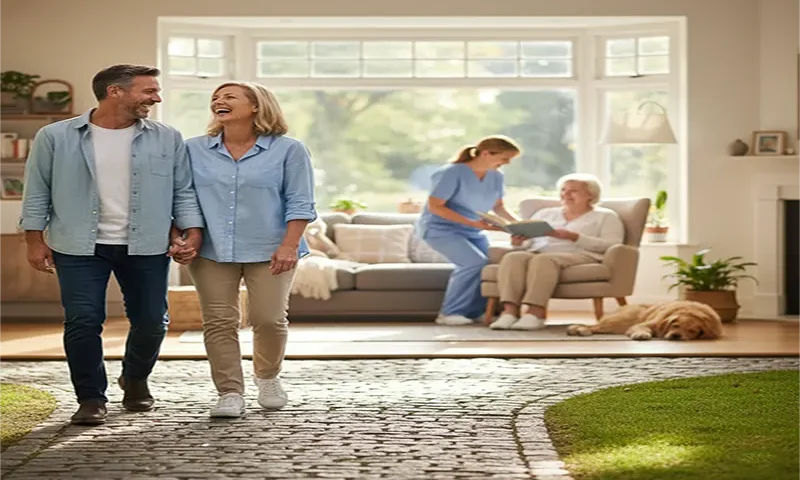
In the landscape of 2026 healthcare, the role of the family caregiver has never been more critical—or more demanding. For those supporting “high-needs” adults—individuals with advanced dementia, severe physical disabilities, or complex chronic conditions—the responsibility is often a 24/7 commitment. While deeply rewarding, the relentless nature of this work can lead to “caregiver burnout,” a state of physical, emotional, and mental exhaustion that compromises the health of both the caregiver and the recipient.

Respite care is the strategic intervention designed to prevent this. By providing temporary, professional relief, respite care allows family caregivers to step away, recharge, and attend to their own lives, ensuring that caregiving remains a sustainable act of love rather than a burden of necessity.

1. Defining “High-Needs” in the Respite Context

A “high-needs” adult typically requires assistance with multiple Activities of Daily Living (ADLs) and often has specialized medical or behavioral requirements. This may include:

  • Total
READ MORE
Holistic Wellness-Focused Home Care Plans for Aging in Place

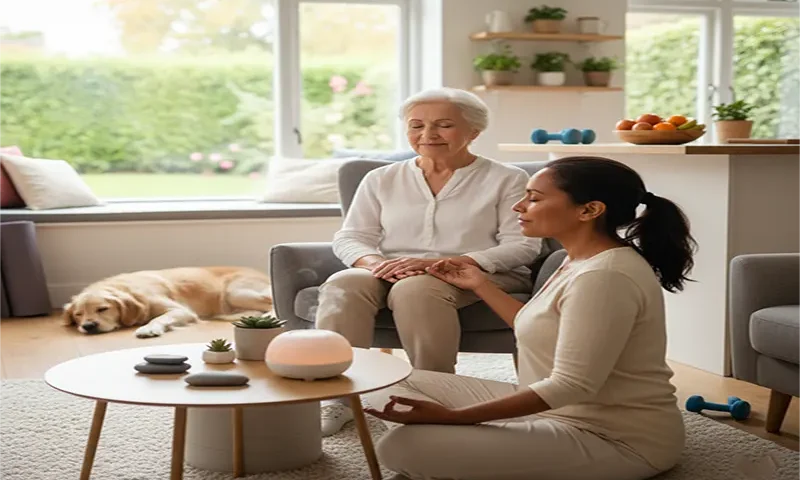
In the early decades of the 21st century, “home care” was often synonymous with basic task management—helping a senior bathe, ensuring they took their pills, and preparing a simple meal. However, as we navigate 2026, a profound shift has occurred. The modern senior doesn’t just want to “survive” at home; they want to thrive.

Holistic wellness-focused home care is the new standard. It treats the individual not as a collection of symptoms, but as a whole person with emotional, social, and spiritual needs. By integrating physical health with mental stimulation and environmental harmony, these plans provide a roadmap for a vibrant, independent life.

1. The Four Pillars of a Holistic Home Care Plan

A truly holistic plan is built on four interconnected pillars. If one is neglected, the others inevitably suffer.

Pillar I: Physical Vitality and Adaptive Movement

Physical care in a holistic plan goes beyond preventing falls. It focuses … READ MORE

In-Home Post-Operative Rehabilitation for Elderly Hip Replacement: A Path to Mobile Independence

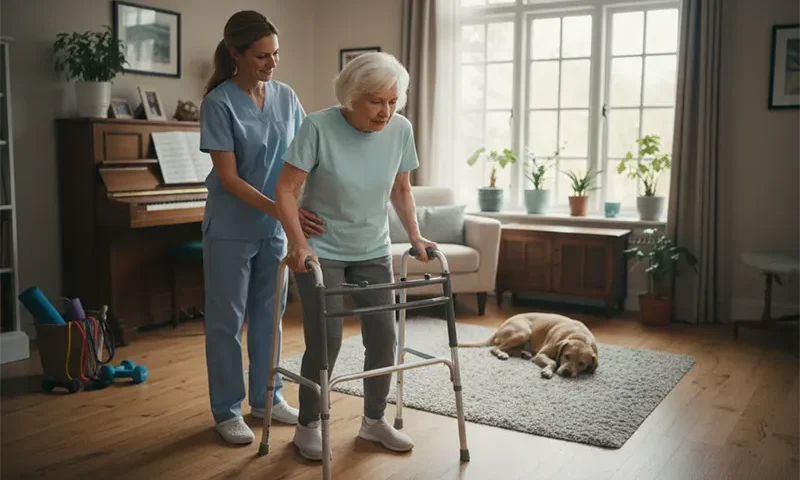
For an elderly individual, a hip replacement is more than a surgical procedure; it is a gateway to restored mobility and the elimination of chronic pain. However, the surgery is only half the battle. The weeks following discharge are the most critical. In 2026, the trend has shifted heavily toward In-Home Post-Operative Rehabilitation, allowing seniors to recover in a familiar environment while utilizing “Hospital-at-Home” protocols that rival the care found in inpatient facilities.

1. Setting the Stage: The “Pre-hab” and Home Modification

Rehabilitation begins before the patient even enters the operating room. Preparing the home environment is the first step in preventing the most common post-op complication: the accidental fall.

Critical Home Adjustments:

  • The “Recovery Zone”: Set up a primary living area on the ground floor to avoid stairs for the first 2–3 weeks. This area should include a firm chair with armrests (avoid soft sofas) and a high
READ MORE
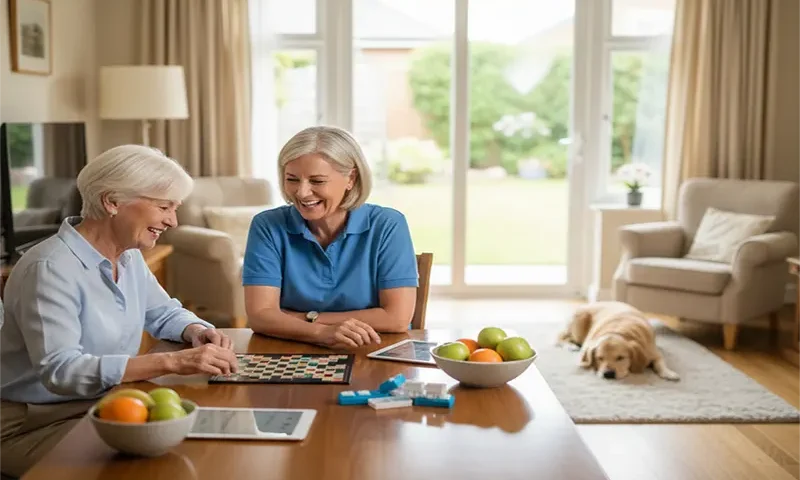
Non-Medical Companion Care for Early-Stage Dementia at Home: Preserving Independence and Joy

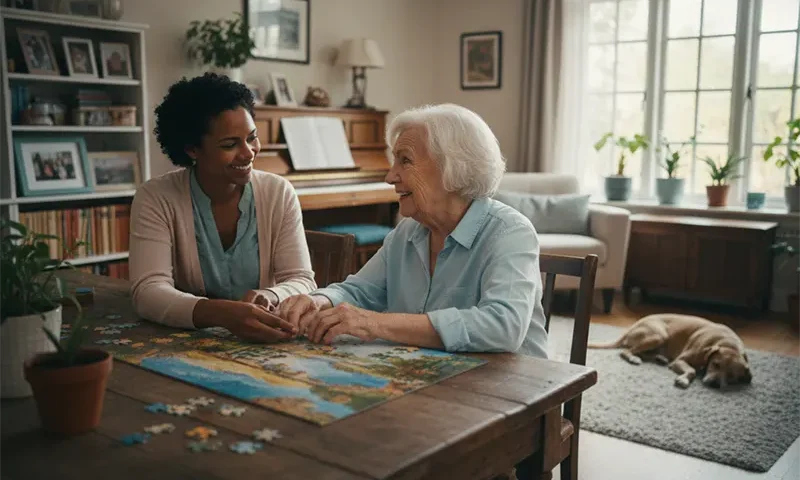
Receiving a diagnosis of early-stage dementia—whether Alzheimer’s, vascular dementia, or another form—is a life-altering event for both the individual and their family. In 2026, the focus of dementia care has shifted dramatically toward aging in place. While medical intervention is necessary, the vast majority of daily needs for those in the early stages are not clinical, but social and functional.

Non-medical companion care has emerged as a cornerstone of this approach, providing the bridge between complete independence and the structured environment of a facility. By focusing on “what remains” rather than “what is lost,” companion care allows seniors to navigate their changing world with confidence and dignity.

1. What is Non-Medical Companion Care?

Unlike home health care, which involves skilled nursing or physical therapy, non-medical companion care focuses on Activities of Daily Living (ADLs) and emotional support. For early-stage dementia, this care is less about “doing for” the senior … READ MORE

AI-Powered Remote Patient Monitoring for Home-Bound Seniors: The Future of Aging in Place

For decades, the standard trajectory for seniors with chronic conditions or mobility issues was a transition from the family home to an assisted living facility or nursing home. However, as we move through 2026, a technological revolution is rewriting this narrative. AI-powered Remote Patient Monitoring (RPM) has emerged as the cornerstone of “Aging in Place,” providing a digital safety net that allows home-bound seniors to remain in their preferred environment while receiving hospital-grade oversight.

1. The Shift from Reactive to Proactive Care

Traditional healthcare for home-bound seniors has historically been reactive. A patient waits for a scheduled visit or, worse, an emergency event before receiving medical attention. AI-powered RPM shifts this paradigm to proactive management.

By using a network of interconnected sensors and wearables, AI systems continuously collect data on vital signs such as heart rate, blood pressure, oxygen saturation, and glucose levels. Unlike human caregivers who can … READ MORE