Preventative maintenance checklist for aging wooden deck structures

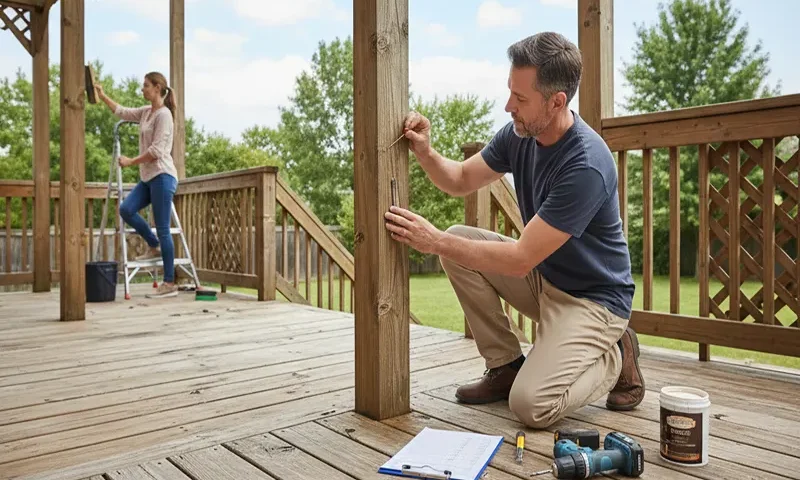
For an aging wooden deck, preventative maintenance is a high-yield investment. A well-maintained cedar or pressure-treated deck can last 20 to 25 years, whereas a neglected one may become structurally unsound in as little as 10 to 12 years. This 1,000-word checklist provides a professional-grade roadmap for inspecting, protecting, and preserving your outdoor sanctuary.

1. The Foundation and Substructure (The “Invisible” Essentials)

Before worrying about the color of the stain, you must ensure the skeleton of the deck is sound. This requires getting underneath the structure with a high-lumen flashlight and a flat-head screwdriver.

A. The Ledger Board Inspection

The ledger board is the most critical safety point; it is the thick piece of lumber that bolts the deck to your house.

  • Tightness Check: Ensure the ledger is attached with 1/2-inch galvanized lag screws or through-bolts, not nails. Nails pull out over time, leading to sudden deck
READ MORE
Step-by-step guide to replacing a leaking kitchen pull-down faucet

1. Tools and Materials Needed

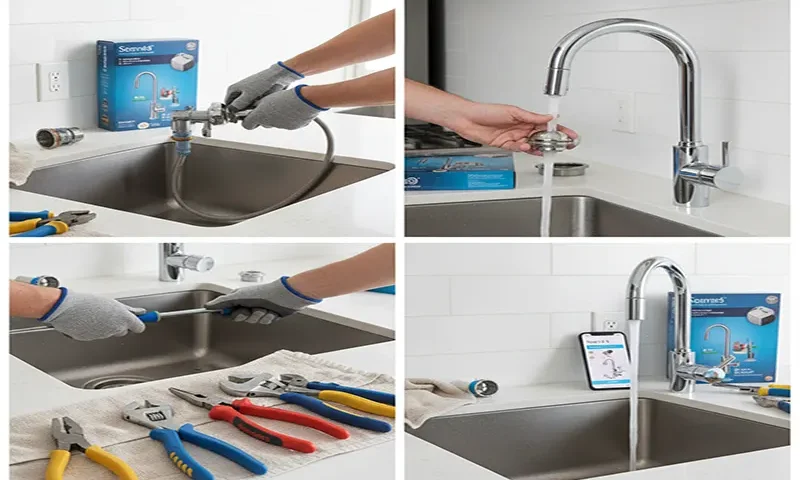
Before you begin, gather these essential tools. Working under a sink is cramped, so having everything within reach is key.

  • New Pull-Down Faucet Kit (Ensure it matches your sink’s hole configuration: 1-hole or 3-hole).
  • Basin Wrench: Specifically designed to reach the mounting nuts tucked high behind the sink basin.
  • Adjustable Wrench: For disconnecting and reconnecting water supply lines.
  • Screwdrivers: Both Phillips and flathead.
  • Flashlight or Headlamp: Crucial for visibility in dark cabinets.
  • Plumber’s Tape (Teflon Tape): To ensure watertight threaded connections.
  • Bucket and Towels: To catch residual water in the lines.
  • Penetrating Oil (Optional): Such as WD-40, if your old mounting nuts are rusted or stuck.

2. Preparation: Safety and Space

Start by clearing everything out from under your sink. You need a clear workspace to lie down and see the connections.

  1. Shut Off the Water: Locate the hot and cold shut-off valves under the
READ MORE
Eco-friendly roof shingle repair for storm-damaged homes

1. The Environmental Case for Sustainable Repair

The roofing industry is a significant environmental actor. Standard asphalt shingles are petroleum-based, and their production is energy-intensive. When these are ripped off during a storm, they usually head straight to the dump.

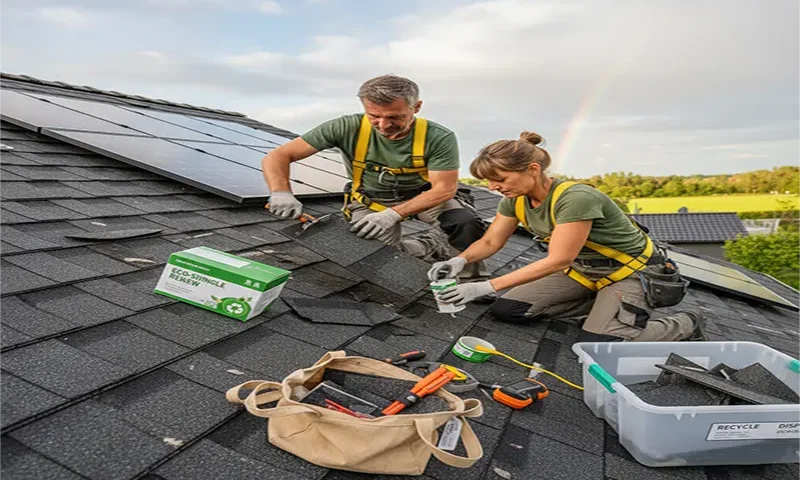
By opting for eco-friendly repairs, you participate in a circular economy. This involves using shingles made from post-consumer waste—like recycled rubber tires or plastic—which are often more durable and weather-resistant than the original materials they replace.

2. Top Eco-Friendly Materials for Storm Repair

If your roof has missing or damaged shingles, you don’t have to settle for standard replacements. Many sustainable options can be “spot-repaired” into existing roofs:

A. Recycled Rubber Shingles

Often made from up to 95% recycled content (primarily old tires), these shingles are a favorite in 2026 for storm-prone areas.

  • Durability: They are inherently impact-resistant, often carrying a Class 4 hail rating, meaning they can
READ MORE
How to repair hairline cracks in poured concrete foundations

1. Diagnostics: Is It Truly a Hairline Crack?

Before you reach for the repair kit, you must categorize the crack.

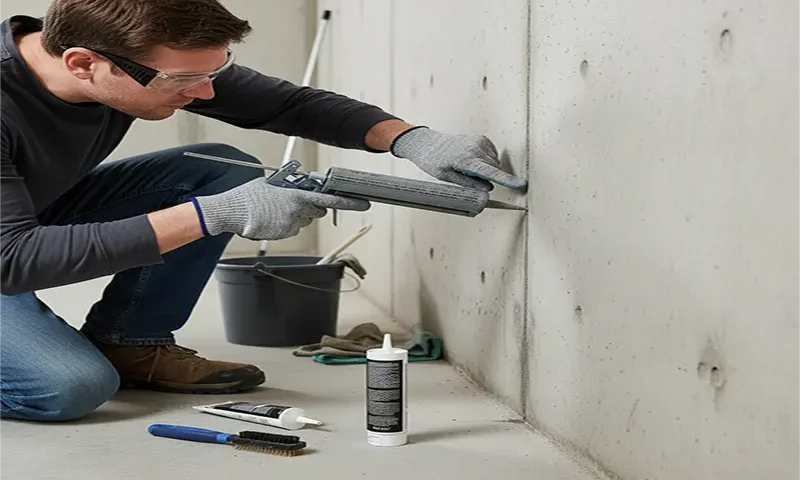
  • Hairline Cracks: Usually vertical or diagonal, following a straight or slightly jagged path. These are perfect for DIY repair.
  • Structural Cracks: If a crack is wider than 1/4 inch, runs horizontally across the wall, or if one side of the crack is pushing inward further than the other (offset), you should consult a structural engineer. These often indicate soil pressure issues that an injection kit cannot fix.

2. Choosing Your Material: Epoxy vs. Polyurethane

When repairing foundation cracks, you have two primary chemical options. Choosing the right one depends on the “status” of the crack.

Epoxy Injection

  • Best for: Structural reinforcement.
  • How it works: Epoxy is incredibly strong—stronger than the concrete itself once cured. It bonds the two sides of the crack together.
  • Downside: It cures slowly and must be
READ MORE
Handling Hidden Rot Found Beneath Decking with Roof Repair Near Me

Damage beneath the roof decking often goes unnoticed until it begins affecting the structure above it. Many roofs appear solid from the outside while concealed decay threatens framing, shingles, and insulation below the surface. Homeowners searching for roof repair near me usually discover how fast hidden rot can worsen once the decking is opened.

Causes of Hidden Rot Forming Beneath Aging Decking Layers

Rot usually develops in the dark, unventilated spaces between old decking and the layers above it. Moisture enters through worn shingles, lifted nails, or compromised underlayment and becomes trapped where air cannot circulate. Over time, this quiet environment allows decay organisms to thrive and soft spots begin to form.

The rate of deterioration depends on roofing age, climate, and the quality of past repairs. Small gaps or misaligned shingles often let water pass through without detection. Those searching for roofing near me often learn that unnoticed moisture … READ MORE