The Complete Guide to Successfully Growing Tomatoes in Winter Containers

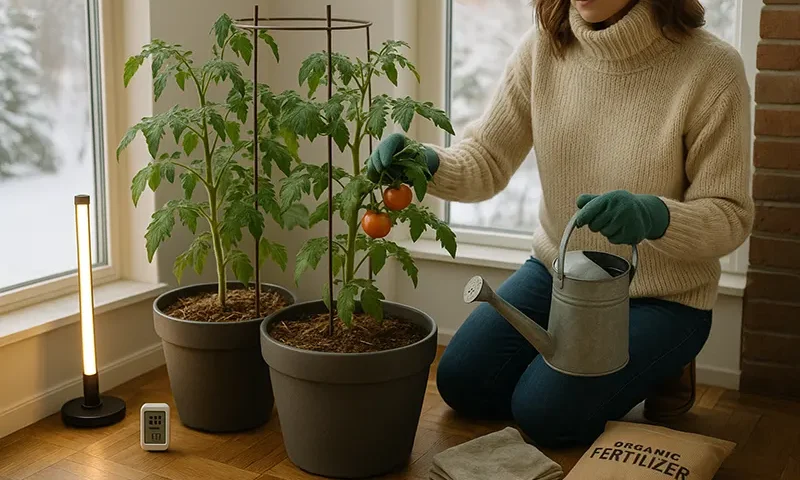
There is little that can rival the flavor of a vine-ripened tomato, but enjoying that taste when snow is falling outside seems like a gardening fantasy. While challenging, successfully growing tomatoes indoors during the deep winter months is entirely possible. It requires more planning and technical intervention than a summer garden, but the reward—a steady supply of fresh tomatoes—is well worth the effort.

The success of your indoor winter tomato operation rests on three critical pillars: selecting the right plant, compensating for minimal sunlight with powerful lights, and ensuring manual pollination.

I. Choose the Right Tomato and Container

You cannot simply bring your full-sized outdoor tomato plant inside and expect it to fruit. The first step to indoor success is choosing a variety suited for container life and limited space.

Tip 1: The Dwarf Difference. Opt for Dwarf or Micro-Dwarf Determinate varieties. Determinate tomatoes stop growing at a manageable height … READ MORE

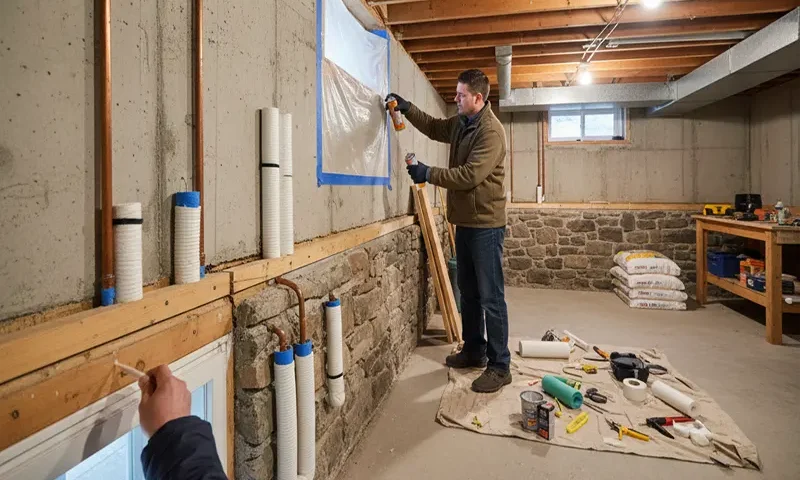
Cost-effective ways to seal basement air leaks for winter

1. The Critical Target: The Rim Joist and Sill Plate

The “rim joist” (or band joist) is the area where your house’s wooden frame meets the concrete foundation. It is notoriously leaky because wood and concrete expand and contract at different rates, creating gaps.

How to Seal It on a Budget:

  • Silicone Caulk ($8–$12 per tube): Use this for small cracks (less than 1/4 inch) between the wooden sill plate and the concrete foundation.
  • Expanding Spray Foam ($6–$10 per can): For larger gaps where the joists meet the rim board, use a “gap and cracks” insulating foam.
  • Rigid Foam Board ($25–$35 per sheet): Instead of expensive professional spray foam, buy a sheet of 2-inch XPS (extruded polystyrene). Cut small squares to fit into the “bays” between joists, then “seal the edges” of the squares with spray foam. This creates a high R-value barrier for a fraction of the cost.

2.

READ MORE
The Best Affordable, Wire-Free Smart Home Products for Renters

The allure of a smart home – automated lighting, enhanced security, and climate control at your fingertips – is undeniable. Yet, for many renters, the dream quickly clashes with the reality of lease agreements and the fear of losing a security deposit. Installing complex wiring or drilling into walls is often out of the question. The good news? You don’t need to own your home to enjoy the benefits of smart technology. The market is now flooded with excellent, affordable, and wire-free smart home products perfectly suited for renters. The golden rule for a renter’s smart home is simple: always choose non-invasive, easily removable, and portable devices.

This guide will walk you through the best budget-friendly, plug-and-play smart home solutions that empower you to upgrade your living space without ever picking up a drill.

I. Plug-and-Play Lighting & Power: Instant Smart Upgrades

The simplest way to dip your toes into … READ MORE

Non-Medical Companion Care for Early-Stage Dementia at Home: Preserving Independence and Joy

Receiving a diagnosis of early-stage dementia—whether Alzheimer’s, vascular dementia, or another form—is a life-altering event for both the individual and their family. In 2026, the focus of dementia care has shifted dramatically toward aging in place. While medical intervention is necessary, the vast majority of daily needs for those in the early stages are not clinical, but social and functional.

Non-medical companion care has emerged as a cornerstone of this approach, providing the bridge between complete independence and the structured environment of a facility. By focusing on “what remains” rather than “what is lost,” companion care allows seniors to navigate their changing world with confidence and dignity.

1. What is Non-Medical Companion Care?

Unlike home health care, which involves skilled nursing or physical therapy, non-medical companion care focuses on Activities of Daily Living (ADLs) and emotional support. For early-stage dementia, this care is less about “doing for” the senior … READ MORE

The Best Organic Gardening Tips for Beginner Apartment Dwellers – Green Thumbs

The dream of fresh, homegrown produce isn’t exclusive to those with sprawling backyards. Even from the cozy confines of an apartment, you can cultivate a thriving oasis of herbs, vegetables, and greens. And better yet, you can do it organically, ensuring your food is not only fresh but also free from synthetic chemicals. Organic gardening is more than just avoiding pesticides; it’s about nurturing the soil, encouraging biodiversity, and working with nature, not against it. For the beginner apartment dweller, this guide breaks down the process into an easy-to-follow, three-step success plan: understanding your space, choosing the right foundation, and caring for your organic bounty.

I. Mastering Your Micro-Climate (Light & Space)

The first and most crucial step for any apartment gardener is to become a detective of light. Your windows and any available outdoor space (balcony, patio) are your garden’s lifeline.

Tip 1: The Sun Audit. Observe your apartment … READ MORE