Cost-effective ways to seal basement air leaks for winter

1. The Critical Target: The Rim Joist and Sill Plate

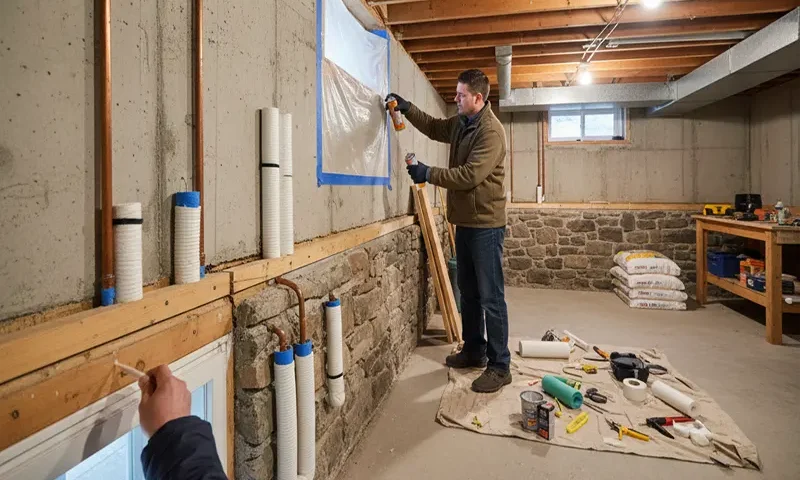
The “rim joist” (or band joist) is the area where your house’s wooden frame meets the concrete foundation. It is notoriously leaky because wood and concrete expand and contract at different rates, creating gaps.

How to Seal It on a Budget:

  • Silicone Caulk ($8–$12 per tube): Use this for small cracks (less than 1/4 inch) between the wooden sill plate and the concrete foundation.
  • Expanding Spray Foam ($6–$10 per can): For larger gaps where the joists meet the rim board, use a “gap and cracks” insulating foam.
  • Rigid Foam Board ($25–$35 per sheet): Instead of expensive professional spray foam, buy a sheet of 2-inch XPS (extruded polystyrene). Cut small squares to fit into the “bays” between joists, then “seal the edges” of the squares with spray foam. This creates a high R-value barrier for a fraction of the cost.

2.

READ MORE
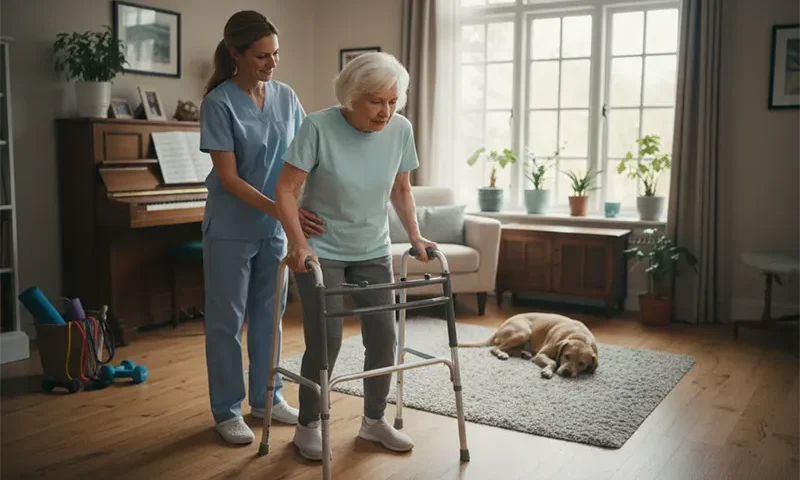
Non-Medical Companion Care for Early-Stage Dementia at Home: Preserving Independence and Joy

Receiving a diagnosis of early-stage dementia—whether Alzheimer’s, vascular dementia, or another form—is a life-altering event for both the individual and their family. In 2026, the focus of dementia care has shifted dramatically toward aging in place. While medical intervention is necessary, the vast majority of daily needs for those in the early stages are not clinical, but social and functional.

Non-medical companion care has emerged as a cornerstone of this approach, providing the bridge between complete independence and the structured environment of a facility. By focusing on “what remains” rather than “what is lost,” companion care allows seniors to navigate their changing world with confidence and dignity.

1. What is Non-Medical Companion Care?

Unlike home health care, which involves skilled nursing or physical therapy, non-medical companion care focuses on Activities of Daily Living (ADLs) and emotional support. For early-stage dementia, this care is less about “doing for” the senior … READ MORE

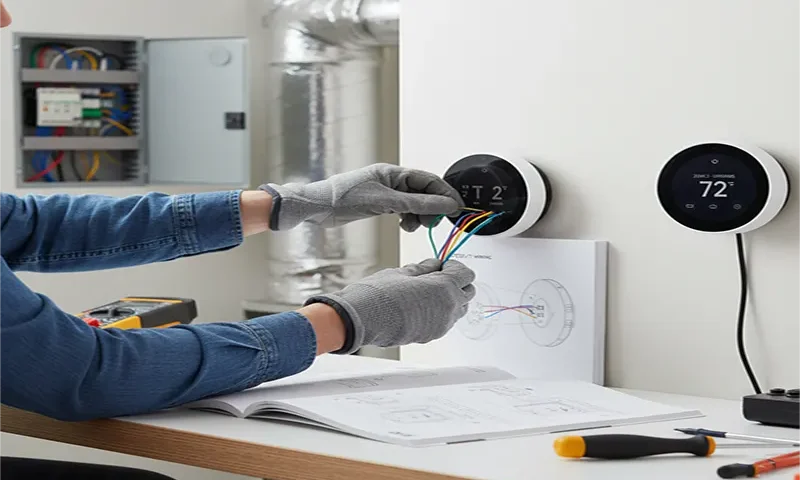
DIY Smart Thermostat Installation for Multi-Zone HVAC Systems: A Step-by-Step Guide

The promise of smart home technology often conjures images of effortless comfort and energy savings. For homeowners with multi-zone HVAC systems, this promise is even more alluring: imagine precise temperature control for every area of your home, reducing energy waste in unoccupied rooms and maximizing comfort where it counts. While the idea of installing smart thermostats in a complex multi-zone setup might seem daunting, it’s a perfectly achievable DIY project with the right guidance. This comprehensive guide will walk you through the process, empowering you to take control of your home’s climate and energy consumption.

Understanding Your Multi-Zone System

Before you even think about buying a smart thermostat, it’s crucial to understand how your existing multi-zone system operates. Unlike single-zone systems where one thermostat controls the entire house, multi-zone systems utilize a central zone controller (also known as a zone panel or control board) that directs conditioned air to specific … READ MORE

AI-Powered Remote Patient Monitoring for Home-Bound Seniors: The Future of Aging in Place

For decades, the standard trajectory for seniors with chronic conditions or mobility issues was a transition from the family home to an assisted living facility or nursing home. However, as we move through 2026, a technological revolution is rewriting this narrative. AI-powered Remote Patient Monitoring (RPM) has emerged as the cornerstone of “Aging in Place,” providing a digital safety net that allows home-bound seniors to remain in their preferred environment while receiving hospital-grade oversight.

1. The Shift from Reactive to Proactive Care

Traditional healthcare for home-bound seniors has historically been reactive. A patient waits for a scheduled visit or, worse, an emergency event before receiving medical attention. AI-powered RPM shifts this paradigm to proactive management.

By using a network of interconnected sensors and wearables, AI systems continuously collect data on vital signs such as heart rate, blood pressure, oxygen saturation, and glucose levels. Unlike human caregivers who can … READ MORE

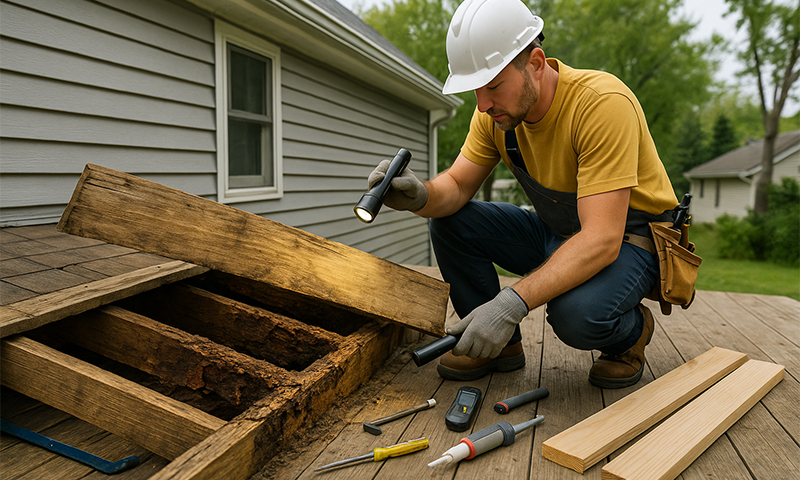
DIY Drywall Repair Tips for Small Holes and Cracks

Drywall, while a durable building material, is prone to damage over time. Small holes and cracks are common issues that can detract from the appearance of your walls. The good news is that with a few simple tools and techniques, you can easily repair these imperfections without the need for professional assistance. Here are some DIY drywall repair tips for addressing small holes and cracks.

Assess the Damage

Before starting any repairs, assess the extent of the damage. Small nail holes, pinholes, and hairline cracks are relatively easy to fix using DIY methods. Larger holes or extensive damage may require professional intervention. It’s important to determine the scope of the repair needed before proceeding.

Gather the Necessary Tools and Materials

For small hole and crack repairs, you’ll need the following tools and materials:

  • Spackle
  • Putty knife
  • Sandpaper
  • Paint and paintbrush

Ensure you have these items on hand before starting the … READ MORE