
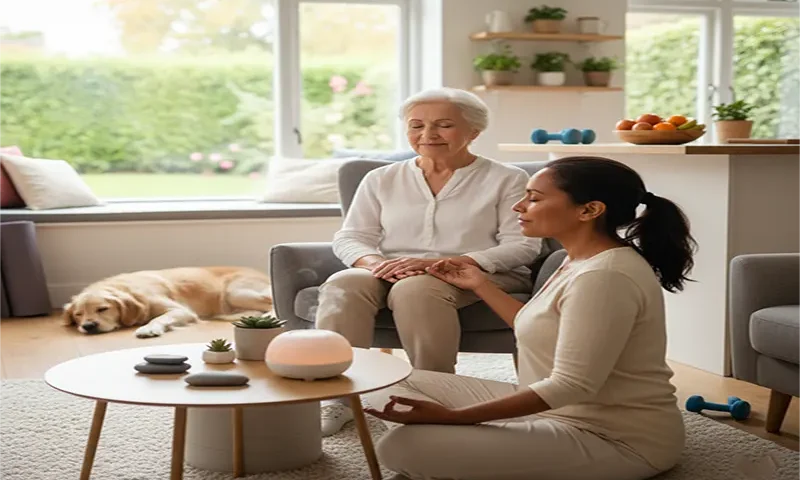
In the early decades of the 21st century, “home care” was often synonymous with basic task management—helping a senior bathe, ensuring they took their pills, and preparing a simple meal. However, as we navigate 2026, a profound shift has occurred. The modern senior doesn’t just want to “survive” at home; they want to thrive.
Holistic wellness-focused home care is the new standard. It treats the individual not as a collection of symptoms, but as a whole person with emotional, social, and spiritual needs. By integrating physical health with mental stimulation and environmental harmony, these plans provide a roadmap for a vibrant, independent life.
1. The Four Pillars of a Holistic Home Care Plan
A truly holistic plan is built on four interconnected pillars. If one is neglected, the others inevitably suffer.
Pillar I: Physical Vitality and Adaptive Movement
Physical care in a holistic plan goes beyond preventing falls. It focuses on restorative movement.
- Functional Fitness: Instead of generic exercises, care plans now include movements that mimic daily life—reaching for a cabinet, getting out of a chair, or gardening.
- Anti-Inflammatory Nutrition: Nutritionists now work alongside home caregivers to design meal plans rich in Omega-3s and antioxidants to manage chronic inflammation, which is often the root of joint pain and cognitive “fog.”
- Sleep Hygiene: Recognizing that sleep is the body’s primary repair mechanism, holistic plans include evening routines that limit blue light exposure and use aromatherapy to ensure deep, restorative rest.
Pillar II: Cognitive Enrichment and Neuroplasticity
We now know that the brain can continue to form new neural connections well into the 90s.
- Brain Training: This involves more than just crosswords. It includes learning new skills, such as a foreign language or a digital instrument, which challenges the brain in novel ways.
- Sensory Stimulation: For those with early cognitive decline, holistic care uses “Snoezelen” or multi-sensory environments—using specific lighting, textures, and sounds to reduce anxiety and stimulate memory.
Pillar III: Emotional and Social Connection
Isolation is the silent enemy of aging in place. A holistic plan builds a “social scaffold” around the senior.
- Intergenerational Connectivity: Modern plans often facilitate “grandchild-mentoring” sessions via video or in-person visits, giving the senior a sense of purpose and legacy.
- Companion Match-Making: Agencies now use AI-driven personality assessments to match seniors with caregivers who share their values, humor, and life experiences, turning “care” into “companionship.”
Pillar IV: Environmental Harmony
The home itself is a participant in the senior’s wellness.
- Biophilic Design: Bringing the outdoors in. This includes indoor herb gardens, maximized natural light, and nature-inspired color palettes that reduce cortisol levels.
- Smart Home Integration: In 2026, “invisible tech” (like floor sensors that detect gait changes) provides safety without making the home feel like a clinical facility.
2. Designing the Plan: The Initial Assessment
A holistic plan begins with a Comprehensive Wellness Assessment (CWA). Unlike a standard medical intake, the CWA asks:
- “What gave you the most joy in your 40s and 50s?”
- “What is your ‘Why’—the reason you want to stay healthy and mobile?”
- “How do you want your home to feel when you wake up in the morning?”
This data is used to create a “Live-Well Document” that guides every caregiver who enters the home.
3. The Role of the “Wellness Coordinator”
In a holistic model, the traditional “case manager” is replaced by a Wellness Coordinator. This person acts as the conductor of an orchestra, synchronizing the efforts of:
- Physical Therapists
- Nutritionists
- Mental Health Counselors
- Technology Technicians
- Family Members
4. Technology as a Wellness Enabler
In 2026, technology is the “silent partner” in holistic care. It isn’t just about monitoring vitals; it’s about enhancing the human experience.
- Virtual Reality (VR) Travel: For seniors with limited mobility, VR allows them to “visit” a childhood home or explore the Louvre, providing powerful cognitive and emotional stimulation.
- Wearable “Vibe” Tech: New wearables track heart-rate variability (HRV) to detect rising stress levels before the senior feels agitated, allowing the caregiver to introduce calming music or a breathing exercise early.
5. Case Study: The “Whole-Person” Impact
Consider “Margaret,” an 82-year-old living alone with mild arthritis and early-stage depression.
- Traditional Plan: A caregiver visits 3 hours a day for cleaning and meds. Margaret remains sedentary and lonely.
- Holistic Plan: Her caregiver arrives, they spend 20 minutes on “chair yoga,” they cook a Mediterranean-style lunch together while listening to Margaret’s favorite 1960s jazz, and in the afternoon, the Wellness Coordinator helps Margaret join a virtual book club.
- Result: Within six months, Margaret’s medication for depression is reduced, her mobility improves, and she reports a renewed sense of “zest” for life.
6. Overcoming Barriers to Holistic Care
The primary barrier is often the perception that holistic care is only for the wealthy. However, in 2026, many insurance providers and Medicare Advantage plans have recognized the Preventative ROI. By investing in social connection and nutrition now, they avoid the $30,000 hospital bill for a fall or a malnutrition-related emergency later.
A Future of Flourishing
Aging in place should not be a slow retreat; it should be a graceful continuation. Holistic wellness-focused home care plans acknowledge that the human spirit does not have an expiration date. By addressing the body, mind, and soul in unison, we ensure that our seniors aren’t just staying in their homes—they are thriving in them.

