
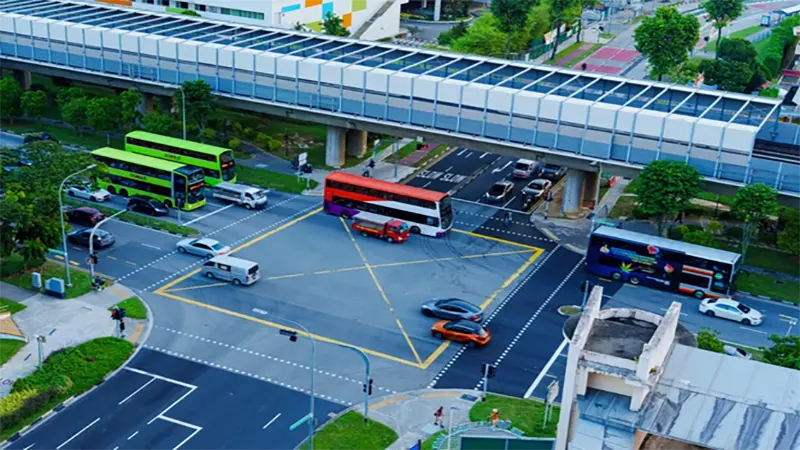
A bus stop outside the door is a small thing that quietly runs a whole week. It decides how late you can leave, how heavy your bag feels, and whether a rainy morning turns sour. A buyer studying Solano Grand should judge bus access with a timer in hand. Frequent buses beat fancy lobbies.
This article looks at bus and transit links in plain terms. We cover stop distance, route variety, frequency, feeder services, comfort and safety, and how to compare options. Nothing technical. Bring a notebook and ride the routes yourself, because timetables on paper never show a crowded Monday.
Distance to the Nearest Stops
Start with the walk. Find the closest bus stops and time the real path from the estate gate. A buyer weighing Wynwood Grand should check for shelter, crossings, and steep bits. A short distance on a map can feel long in heat or rain.
Look at the stop itself. Is there a roof, a seat, a clear display of arrival times? Small comforts matter on a tired evening. Also check whether stops sit on both sides of the road, since a missing return stop can add a surprising detour.
Route Variety and Destinations
One route is a start, but several routes are freedom. List every service that passes nearby and note where each one goes.
Variety gives backup. If one route is delayed or changed another may still get you there. Check which routes reach major hubs and which only loop around local street. A good mix of both gives you flexibility without much effort.
Frequency and Reliability Checks
A route that looks perfect can still turn up rarely. Check how often buses run in the morning, midday, evening, and on weekends. Then wait at the stop yourself for a while. Real waiting times often differ from printed ones.
Note how full buses are at rush hour. Standing for thirty minutes is a different trip than sitting for fifteen. Ride at least twice, on different days, and write the results down.
Feeder Buses and Train Links
Feeder services connect quiet corners to train stations. Check whether a short bus ride can replace a long walk to the nearest station. Look at the transfer, too. Is the interchange sheltered and easy, or a hot, confusing maze?
Test the whole chain, from front door to final stop. Time each leg and the waiting between them. Households without a car depend on this chain daily. A weak link anywhere can make the entire trip feel slower than the map suggests.
Comfort, Safety, and Accessibility
Comfort counts for families, older relatives, and anyone with a stroller. Check whether stops have ramps, whether buses suit wheelchairs, and whether pavements are smooth. Little barriers turn into big annoyances when repeated every day.
Safety matters too. Visit the stop after dark and look at lighting and nearby activity. Walk the route home as a child or older person might. If something feels off, trust that feeling. Ask neighbors about their experience, since their answers are free and usually honest.
Comparing Bus Access Fairly
Make a simple table, one row per location. List stop distance, routes, frequency, and travel time to your usual destinations. Use the same method for each project, or the comparison goes crooked.
Check official plans for approved route changes or new link but do not count on them until confirmed. Good bus access can support demand, though nothing is guaranteed. Do not pay extra for a promise alone. Speak with a licensed adviser if the choice feels close.
Conclusion
Bus connectivity shapes daily life more than most buyers expect. A timetable helps, but your own rides help more. First and last mile access and shelter infrastructure play a crucial role in overall convenience. Pay attention to pedestrian crossings, sidewalk quality street lighting and whether the bus stop offers proper shelter from heavy rain or midday heat. A short well-lit walk to a covered bus stop makes daily transit comfortable year round whereas a poorly maintained route can quickly make public transport feel like a hassle.
Write your findings on one page and compare each location side by side. Wait a few days before deciding. If the daily trip still feels easy, move ahead with a calm mind.

