
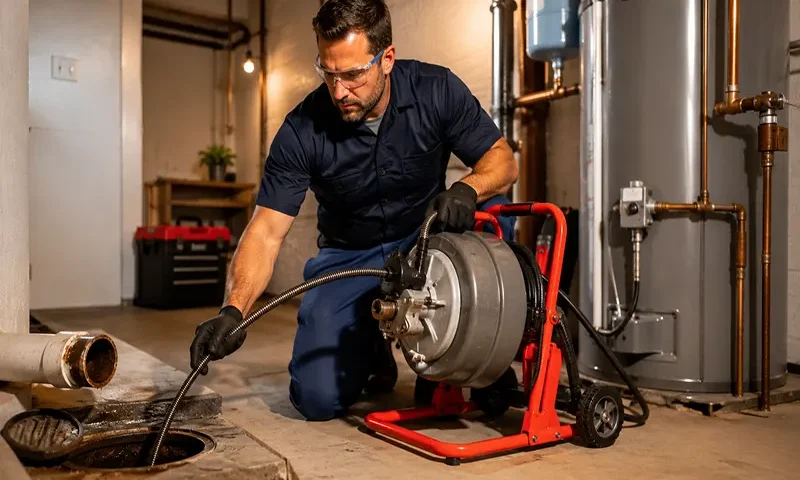
The choice between managing household maintenance tasks independently and seeking professional assistance often hinges on the distinction between a quick fix and a lasting resolution. For homeowners in this region, the decision to hire a drain cleaning company in Denver or to pursue water heater replacement often arises at the moment of a plumbing failure. While the urge to resolve a disruption immediately is understandable, the underlying factors influencing these systems—such as aging infrastructure, local mineral content, and the complexities of modern appliance integration—mean that the approach to maintenance can determine whether a problem is truly resolved or merely masked.
Understanding the Scope of Plumbing System Maintenance
Plumbing systems in many homes are designed for longevity, yet they are subject to consistent pressure. In this area, homeowners frequently contend with variables that can accelerate wear on both pipes and water heating units. Minerals present in the water supply can contribute to accumulation within plumbing lines and heating vessels, which eventually impacts flow rates and energy efficiency.
When a drain slows or stops, it is often a sign that organic or mineral debris has accumulated to the point of obstruction. Similarly, when a water heater begins to underperform—whether by failing to maintain a consistent temperature or showing signs of leakage—it suggests that internal components or the tank itself have reached a stage where simple repairs are no longer sustainable. Understanding that these are systemic issues rather than isolated incidents is the first step toward making an informed maintenance decision.
Evaluating the Impact of Professional Drain Cleaning
A professional drain cleaning company in Denver brings more than just specialized tools to a site; they bring a diagnostic perspective. While manual tools might clear an immediate blockage, they often fail to address the root cause, such as mineral buildup, root intrusion, or structural deterioration within the pipe.
Professional providers typically utilize techniques that offer a comprehensive view of the plumbing line. By employing camera inspection technology, a technician can see inside the pipes to determine if a clog is an isolated event or symptomatic of a deeper, more persistent issue. This diagnostic approach helps in choosing the right method for resolution—whether that involves mechanical clearing, high-pressure water jetting, or, in more severe cases, targeted repairs. Relying on professional oversight often prevents the use of harsh chemical treatments that can, in some cases, cause more damage to pipes than the clogs themselves.
Factors Influencing Water Heater Replacement Decisions
The decision regarding a water heater replacement is a significant investment that requires weighing the current unit’s performance against the long-term benefits of newer technologies. When a unit fails, many homeowners find themselves choosing between a repair and a full replacement.
Several factors typically influence this choice:
- The age of the unit: Most heating vessels have a typical operational life, and as they near this threshold, the likelihood of secondary issues increases.
- System efficiency: Newer units often feature improved energy consumption profiles, which can lead to meaningful long-term savings on utility costs.
- Reliability: A unit that frequently requires service may eventually cost more in maintenance fees than the price of a more modern, reliable model.
- Advanced features: Current options include systems that provide more consistent temperatures or space-saving designs, which can be advantageous depending on the home’s layout.
Deciding to replace a unit is often a move toward modernization and peace of mind, ensuring that the household remains functional without the recurring stress of potential failures.
Aligning Plumbing Choices with Homeowner Needs
Making the right choice in the plumbing market requires discernment. Whether engaging a drain cleaning company in Denver or planning for water heater replacement, the goal is to work with providers who prioritize transparency and thorough assessment. A reliable technician will typically spend time explaining their findings, outlining the available options, and providing clear reasoning for their recommendations.
It is helpful to ask potential providers about their process for diagnosing issues. Are they simply offering a quick fix, or are they evaluating the long-term health of the entire system? A proactive provider will discuss preventative strategies, such as routine flushing of the water heater to manage sediment or periodic inspections of drains to prevent significant blockages from forming.
When evaluating a partner for these services, look for communication that is clear and grounded in the specifics of your home’s system. Avoiding providers who offer instant, over-the-phone diagnoses without an initial assessment is a sound strategy. Instead, favor those who value a systematic approach to identifying the true source of your plumbing challenges.
The health of your home’s water and drainage systems ultimately depends on the quality of the care they receive. By moving beyond reactive, short-term fixes and toward a relationship with a skilled provider, you can manage these essential systems with greater confidence. Whether you are dealing with a recurring drain issue or considering an upgrade to your water heating setup, prioritizing professional expertise allows you to address the core of the problem, ensuring that your home remains comfortable and functional for the long term.

